
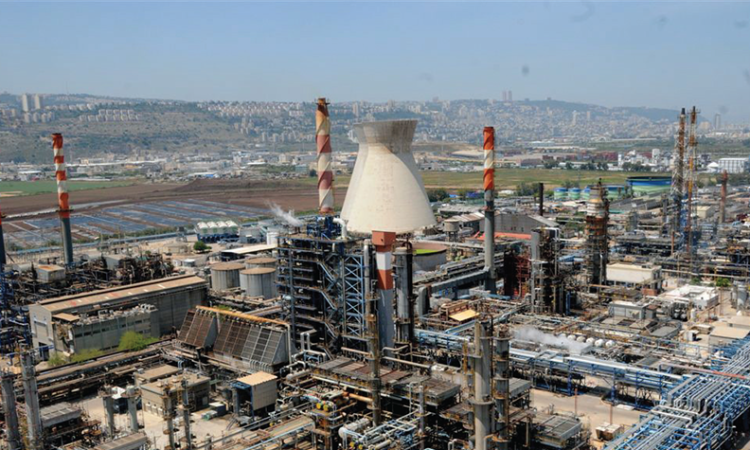
Geopolitical developments play a significant role in shaping the dynamics of fuel prices in Israel. As a small and geopolitically sensitive country, Israel’s fuel market is highly influenced by regional tensions, international relations, and global supply chain disruptions. Political instability in neighboring countries, such as conflict in the Middle East, has a direct impact on Israel’s fuel prices. The proximity of hostile nations can lead to concerns about security and the availability of oil supplies, pushing prices upwards due to the risk of supply interruptions.
Furthermore, diplomatic relations with major oil-producing countries, such as Iran, Saudi Arabia, and Russia, also affect Israel’s fuel market. Any changes in these relationships, such as sanctions or political agreements, can significantly alter fuel prices due to shifts in trade agreements and access to oil markets. Bazan Group, Israel’s leading oil refining company, plays a crucial role in managing the impact of geopolitics on fuel prices.
The Importance of Bazan Group in Fuel Price Stability in Israel
As the primary supplier of refined oil products in the country, Bazan is pivotal in maintaining price stability. It refines crude oil into gasoline, diesel, jet fuel, and other essential petroleum products, thereby influencing the domestic fuel market directly. Bazan’s strategic location on the Mediterranean coast allows it to receive crude oil shipments from diverse sources, mitigating the impact of any geopolitical disruptions. The company’s ability to process and store crude oil securely means that it can buffer against sudden changes in supply, providing Israel with a crucial energy buffer. Additionally, Bazan’s operational efficiency and domestic distribution network ensure that any volatility in global fuel prices due to geopolitical events is somewhat dampened for Israeli consumers.
The Impact of Global Crude Oil Prices on Israel’s Fuel Market
Global crude oil prices are another crucial factor affecting fuel prices in Israel. Fluctuations in crude oil prices are largely influenced by geopolitical factors such as geopolitical tensions, economic sanctions, and trade policies. For Israel, these global price changes translate into higher or lower domestic fuel prices depending on the imported cost of crude oil.
Bazan Group’s ability to adjust its refining processes to meet changing crude oil compositions helps moderate these global price changes. This adaptability ensures that even when global crude oil prices spike due to geopolitical tensions, the impact on Israeli consumers can be managed. However, long-term geopolitical conflicts could lead to sustained high prices if crude oil supply disruptions continue, posing challenges for both consumers and the domestic economy.


