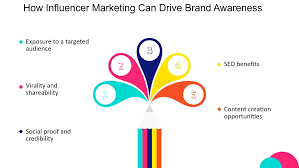
In today’s rapidly evolving digital landscape, the way tech brands reach and engage their audiences has transformed. Traditional marketing approaches, while still valuable, often fall short in creating the kind of authentic, personal connection that resonates with today’s consumers. This is where influencer marketing has stepped in as a powerful tool, especially for tech brands looking to boost their awareness and establish a solid foothold in a crowded market.
Influencer marketing leverages individuals who have built a loyal and engaged following to promote products or services to their audience. For tech brands, these influencers are often trusted experts in the field, tech enthusiasts, or content creators who review gadgets, software, and innovations. By aligning with the right influencers, tech brands can tap into new audiences, enhance their credibility and build lasting relationships with consumers. Here’s how influencer marketing is helping boost tech brand awareness.
1. Building Trust Through Credibility
One of the most significant benefits of influencer marketing is the trust that influencers have already established with their followers. When an influencer recommends or endorses a tech product, their audience views it as an authentic recommendation from someone they trust. For tech brands, building this kind of credibility is crucial, especially in a market where consumers are skeptical of traditional advertisements.
Influencers bridge the gap between consumers and brands by providing real-world, hands-on experiences with tech products. Whether it’s a tech reviewer demonstrating the features of a new smartphone or a content creator showcasing how a software tool improves productivity, influencers help humanize a brand’s offerings, making them more relatable and trustworthy.
2. Reaching Targeted Audiences
Tech brands often struggle to reach specific segments of their target audience, particularly those who are tech-savvy or interested in niche technologies. Influencers, however, have highly segmented audiences that brands can easily tap into. Whether a tech company is looking to market a product to gamers, developers or casual users, there are influencers who speak directly to these groups.
By collaborating with influencers who cater to the brand’s ideal customer profile, tech companies can reach their target audience more effectively than through broad, untargeted campaigns. Influencers act as a bridge, bringing the brand’s message to a highly engaged audience that is more likely to convert into customers.
3. Driving Engagement and Conversation
Influencer marketing doesn’t just boost brand awareness—it also sparks engagement. When an influencer shares their thoughts on a product, they invite their followers to join the conversation. Followers often ask questions, share their opinions and even discuss how the product might fit into their own lives.
This kind of engagement is invaluable for tech brands. Not only does it drive traffic to their websites or social channels, but it also helps create a buzz around their product. For instance, a well-timed influencer campaign around a new product launch can result in organic conversations and word-of-mouth recommendations, which amplify the brand’s message.
4. Amplifying Digital PR Campaigns
Incorporating influencer marketing into broader digital PR campaigns can significantly increase their impact. While traditional PR efforts focus on securing media coverage, influencer marketing adds an additional layer of exposure by getting the brand’s message in front of an influencer’s followers. This integrated approach allows tech brands to reach both traditional media audiences and engaged social media users, maximizing visibility.
For instance, tech brands can use influencers to generate buzz before a major product launch, driving pre-orders or sign-ups. Influencers can create unboxing videos, product demos, or reviews, which not only add credibility but also provide shareable content that the brand can amplify across its own digital channels.
5. Creating Long-Term Brand Advocates
While one-off collaborations with influencers can be effective for product launches or specific campaigns, building long-term relationships with influencers can have a more lasting impact on brand awareness. When influencers regularly work with a brand, they become long-term advocates, consistently promoting the brand to their audience over time. This ongoing relationship helps build brand recognition and loyalty.
For tech brands, partnering with influencers over multiple campaigns allows them to create a deeper connection with the influencer’s audience. This leads to increased trust and familiarity, which ultimately strengthens the brand’s presence in the market.
6. Measuring Impact and ROI
Influencer marketing provides tech brands with measurable results, allowing them to track the effectiveness of their campaigns. Metrics such as engagement rates, reach, conversions, and traffic driven by influencers give brands valuable insights into the success of their efforts. With these data points, brands can refine their strategies and make informed decisions for future campaigns.
Unlike traditional marketing approaches, influencer marketing allows for real-time feedback and adjustments. Brands can see which influencers are driving the most engagement and conversions, enabling them to double down on successful partnerships.
In a competitive market, influencer marketing has emerged as a key tool for tech brands looking to boost their awareness and connect with consumers on a deeper level. By building credibility, reaching targeted audiences, and driving engagement, influencers play a crucial role in helping tech brands cut through the noise. Whether integrated into a consumer brand PR strategy or as part of a digital-first approach, influencer marketing continues to prove its value as a powerful driver of brand awareness in the tech world.