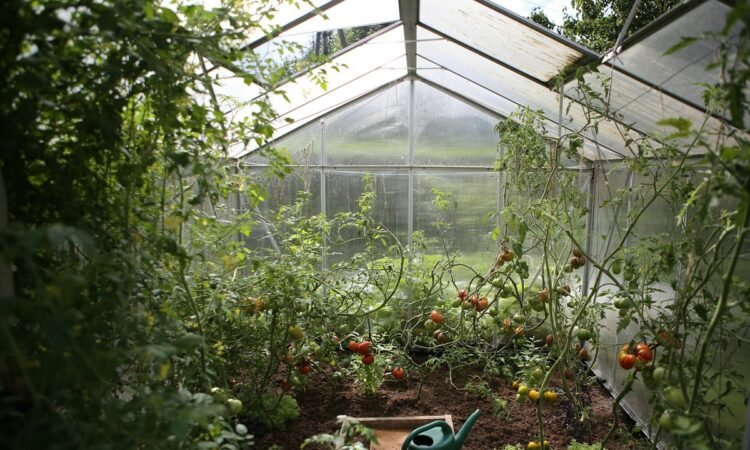
As urban spaces become more compact, the dream of having a lush garden may seem out of reach. However, even with limited square footage, you can still enjoy the beauty and benefits of a functional garden. With strategic planning and creative use of space, you can turn a small patio, balcony, or corner of your yard into a thriving green oasis.
Planning Your Functional Garden
Before you start buying plants, it’s essential to plan effectively. A well-thought-out garden layout is the foundation of any successful small-space garden.
- Assess Your Available Space
Measure your available garden area and observe the sunlight patterns. Different plants require varying levels of sunlight, so knowing where to place sun-loving plants and shade-tolerant varieties is crucial.
- Choose Plants Wisely
Not all plants will thrive in small spaces. Focus on compact or dwarf varieties that are specifically suited for containers or small areas. Herbs like basil, mint, and thyme are perfect for limited spaces, while small vegetables like cherry tomatoes or lettuce can grow well in pots or containers. Avoid plants that need a lot of room to spread out.
3. Incorporate Vertical Gardening
Vertical gardening is a game-changer for those with minimal ground space. By using walls, fences, or custom trellises, you can grow climbing plants like beans or cucumbers, as well as cascading plants like strawberries. This not only saves space but adds an appealing visual element to your garden.
Tips for Maximizing Space
Now that your garden plan is in place, it’s time to think about how to maximize every square inch. Here are a few clever strategies to ensure you’re getting the most out of your space:
- Use Containers and Pots
Containers are a staple in small-space gardening. They come in various shapes and sizes, allowing you to place them on balconies, windowsills, or patios. Plus, they’re mobile, so you can move them to optimize sunlight or change your garden’s layout as needed.
- Add Tiered and Stacked Planters
Tiered planters can add vertical layers to your garden without taking up extra ground space. These are especially useful for herbs and small flowers. Additionally, stacked planters or shelving can help you organize your garden efficiently, using every inch wisely.
Key Tricks to Ensure Success
As you establish your garden, paying attention to certain small but critical details will ensure its longevity and health.
- Proper Drainage and Soil Care
Drainage is key in small-space gardening, particularly if you’re using containers. Make sure your pots have drainage holes to prevent waterlogging. Choose high-quality soil that provides good aeration and water retention to keep your plants thriving.
2. Efficient Watering Techniques
Overwatering is a common issue in small-space gardens. Consider using drip irrigation systems or self-watering pots that regulate the amount of water your plants receive. This can help ensure that they don’t get too much or too little moisture, which is critical for plant health.
3. Incorporate Advanced Smart Techniques
In small spaces, you can leverage advanced smart farm techniques for compact gardening to improve efficiency and increase yield. By using technologies such as vertical farming towers or automated irrigation systems, you can maximize every bit of your available space. These techniques are designed to optimize plant growth by monitoring moisture, light, and nutrient levels, allowing you to grow more plants without needing more room.
Maintaining Your Functional Garden
Once your garden is established, regular maintenance is key to keeping it vibrant and healthy. Here are some tips for maintaining a functional garden in a small space:
- Regular Pruning and Deadheading
To keep your plants healthy and looking their best, regular pruning is essential. Remove dead leaves and spent blooms to encourage new growth. For vegetables and herbs, consistent harvesting will help the plants continue producing.
2. Managing Pests and Sunlight Issues
In small spaces, pests can quickly become a problem. Use organic pest control methods like neem oil or companion planting to deter insects. Additionally, ensure your plants are receiving enough sunlight, and consider using grow lights if natural light is limited.
Conclusion:
Creating a functional garden in a small space is entirely achievable with the right strategies and tools. From vertical gardening to smart technology, maximizing limited space requires a combination of creativity and practical techniques. By carefully selecting plants, optimizing space with containers and hanging planters, and leveraging advanced methods, even the smallest area can become a flourishing garden.
Start small, take the time to plan, and enjoy the journey of turning your small space into a green oasis!