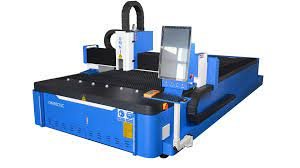
In the realm of material processing, the versatility of laser technology has become increasingly apparent. One particular innovation that has garnered attention is the 60-watt fiber laser. Renowned for its precision and efficiency, this powerful tool has transcended traditional boundaries, proving its worth in processing not only metals but also plastics with remarkable finesse.
A New Era of Material Processing
Traditionally, lasers were primarily associated with metal processing, where their ability to cut, weld, and engrave metal with precision revolutionized various industries. However, with advancements in laser technology, particularly the advent of fiber lasers, the scope of material processing has expanded significantly.
The Rise of Fiber Lasers
In recent years, fiber lasers have witnessed a meteoric rise in popularity, thanks to their numerous advantages over traditional laser technologies. Unlike their predecessors, which relied on bulky and complex optical setups, fiber lasers utilize optical fibers to deliver the laser beam, resulting in a more compact and efficient system. This streamlined design not only reduces the footprint of the laser system but also minimizes energy losses, resulting in higher overall efficiency.
Another key factor driving the popularity of fiber lasers is their exceptional beam quality. Fiber lasers produce a laser beam with excellent focusability and stability, allowing for precise and uniform energy distribution across the workpiece. This superior beam quality enables fiber lasers to achieve finer details and smoother edges compared to other laser technologies, making them ideal for applications that demand high precision.
Additionally, fiber lasers offer unparalleled versatility, capable of processing a wide range of materials with ease. Whether it’s metals like steel, aluminum, and copper, or non-metallic materials like plastics, ceramics, and composites, fiber lasers can handle them all. This versatility makes fiber lasers well-suited for a variety of industries, including automotive, aerospace, electronics, medical, and more.
Furthermore, fiber lasers boast impressive reliability and longevity, with minimal maintenance requirements. Unlike traditional laser technologies that often require frequent realignment and component replacement, fiber lasers are inherently robust and stable, ensuring consistent performance over extended periods. This reliability translates to higher uptime and productivity for manufacturers, reducing downtime and maintenance costs.
In summary, the rise of fiber lasers represents a significant advancement in laser technology, offering manufacturers a powerful and versatile tool for material processing. With their compact design, exceptional beam quality, and unmatched reliability, fiber lasers have become the preferred choice for a wide range of industrial applications, driving innovation and efficiency in manufacturing processes worldwide.
Metal and Plastic Processing Mastery
When it comes to metal processing, the 60-watt laser excels in a myriad of applications. From cutting intricate patterns in sheet metal to welding precise seams in automotive components, this laser technology offers unmatched precision and efficiency. Its high-power output and exceptional beam quality enable it to tackle even the toughest metal processing tasks with ease.
While fiber lasers have long been synonymous with metal processing, their versatility extends far beyond. With the right parameters and settings, the 60-watt fiber laser is equally adept at processing plastics. From engraving intricate designs on acrylic surfaces to cutting precise patterns in polymeric materials, this laser technology offers unparalleled flexibility in plastic processing.
Applications Across Industries
Fiber lasers have revolutionized a multitude of industries, providing precise and efficient solutions for a diverse range of applications. Here’s a closer look at how fiber lasers are making an impact across various sectors:
- Automotive Industry: In the automotive sector, fiber lasers are utilized for a wide array of applications, including cutting, welding, engraving, and marking. From precision cutting of sheet metal for chassis components to high-speed welding of intricate parts, fiber lasers play a crucial role in streamlining manufacturing processes and ensuring the quality and durability of automotive components.
- Aerospace Industry: Fiber lasers are widely employed in the aerospace industry for tasks such as cutting, drilling, and marking of aerospace-grade materials like titanium, aluminum, and composite materials. The high precision and repeatability of fiber lasers make them indispensable for manufacturing critical aerospace components, including engine parts, structural elements, and intricate assemblies.
- Electronics Manufacturing: In electronics manufacturing, fiber lasers are used for precision cutting, drilling, and marking of circuit boards, semiconductor components, and other electronic devices. The ability to create fine features with minimal heat-affected zones makes fiber lasers ideal for producing intricate patterns, serial numbers, and barcodes on electronic components.
- Medical Device Production: Fiber lasers play a vital role in the fabrication of medical devices, including surgical instruments, implants, and diagnostic equipment. Whether it’s cutting stainless steel tubes for surgical tools or marking identification codes on medical implants, fiber lasers offer the precision and versatility required for producing high-quality medical devices that meet stringent regulatory standards.
- Jewelry and Luxury Goods: Fiber lasers are extensively used in the jewelry and luxury goods industry for engraving, marking, and cutting precious metals like gold, silver, and platinum. With their ability to create intricate designs and patterns with exceptional precision, fiber lasers enable jewelry designers to add intricate details and personalized touches to their creations, enhancing their value and appeal.
- Packaging and Labeling: Fiber lasers are employed in the packaging and labeling industry for marking expiration dates, batch codes, and other essential information on packaging materials such as cardboard, plastics, and foils. The high-speed and high-resolution capabilities of fiber lasers ensure clear and legible markings, contributing to product traceability and brand authenticity.
- Metal Fabrication and Construction: In metal fabrication and construction, fiber lasers are utilized for cutting, welding, and surface treatment of various metals, including steel, aluminum, and copper. Whether it’s fabricating structural components for buildings or creating intricate architectural elements, fiber lasers provide the speed, precision, and versatility required to meet the demands of modern construction projects.
In summary, fiber lasers have become indispensable tools across a wide range of industries, driving innovation, efficiency, and quality in manufacturing processes. From automotive and aerospace to electronics, medical devices, jewelry, packaging, and construction, fiber lasers continue to revolutionize the way products are designed, manufactured, and delivered to market.
Conclusion
The 60-watt fiber laser represents a paradigm shift in material processing, transcending traditional boundaries to offer unparalleled versatility and efficiency. From metals to plastics, this powerful tool has revolutionized the way we process materials, opening up new possibilities in various industries. As technology continues to advance, the versatility of fiber lasers will only continue to expand, driving innovation and pushing the boundaries of what’s possible in material processing.
With its remarkable capabilities and adaptability, the 60-watt fiber laser is poised to remain at the forefront of material processing, shaping the future of manufacturing across industries.