
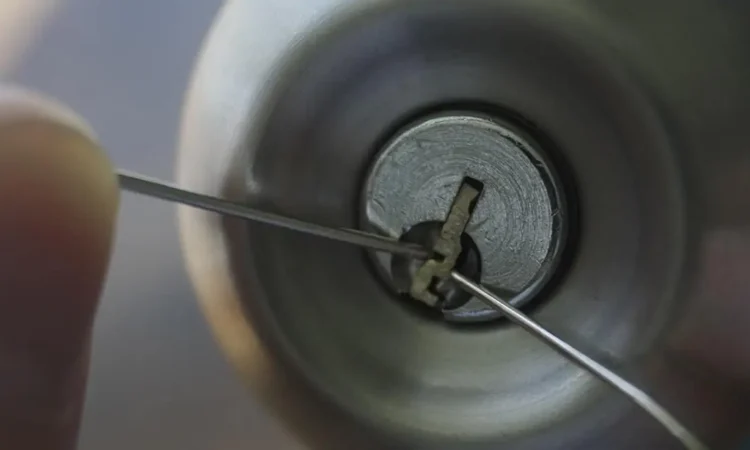
In the realm of locksmithing, one common yet challenging scenario is the removal of a broken key from a lock. This situation could be quite frustrating, especially when the broken piece is lodged deeply within the lock mechanism. Several techniques can be employed, from using simple household tools to more specialized locksmithing equipment.
However, the process may not always be as straightforward as it seems, with several factors to consider, such as the type of lock and the orientation of the key fragment. While it’s a complex issue, knowing the steps to effectively handle this problem could potentially save you significant time and stress.
Assessing the Situation
Before embarking on the task of removing a broken key from a lock, it is imperative to accurately assess the situation to determine the complexity of the task at hand. This assessment involves considering two central factors: lock functionality and key design.
Understanding the lock’s functionality provides insight into the lock mechanism’s intricacies. The nature of the lock, whether it’s a pin tumbler, wafer, or tubular lock, will affect the approach to key extraction.
The lock’s condition, including wear and tear, can also influence the difficulty of removing the broken key. If the lock is old or damaged, the extraction process may be more challenging.
Analyzing the key design is equally crucial. The design and material of the broken key can significantly affect extraction methods. A key with a simplistic design or made from soft metal may break further during the removal process, complicating the procedure.
An accurate assessment of both the lock functionality and key design allows for an informed approach to key extraction, reducing the potential for further damage or complications. This careful analysis is an essential initial step in the process of removing a broken key from a lock.
Tools You’ll Need
Having thoroughly assessed the lock functionality and key design, the next critical step is to gather the necessary tools for the extraction process. The importance of tool selection cannot be overstated. Using inappropriate or substandard tools can further damage the lock, making the key extraction more difficult and potentially costly.
To successfully remove a broken key from a lock, you will require the following tools:
- Needle-nose pliers: These are essential for gripping the broken key and pulling it out. The thin, elongated jaws allow for fine control and access to small spaces.
- Broken key extractor tool: This specialized tool is designed to hook onto the key fragment and remove it efficiently. It’s highly recommended for stubborn keys that cannot be removed by pliers alone.
- Lubricant: A lock lubricant can help ease the extraction process by reducing friction. It makes the broken key slide out more smoothly, minimizing potential damage to the lock mechanism.
Efficient tool usage is integral to the extraction process. Having the right tools at your disposal not only speeds up the process but also ensures that the lock remains functional and undamaged.
Initial Key Extraction Steps
So, what are the initial steps to take when extracting a broken key from a lock? Before you start, it is crucial to ensure your extraction safety. This means creating a safe working environment to prevent further damage to the lock or potentially hurting yourself.
Start by examining the lock carefully. If the key fragments are protruding out of the lock, you may be able to remove them with a pair of needle-nose pliers. However, if the fragments are not visible, a key extractor tool will be needed.
The next step involves lightly lubricating the lock with a spray lubricant. This facilitates the smooth extraction of the key fragments and reduces the risk of damaging the lock mechanism. Following this, insert the key extractor tool into the lock. Be careful not to push the broken key further into the lock.
Remember, patience is key here. Hasty actions may lead to further complications. If you feel the extraction process is proving difficult, it’s best to stop and seek professional assistance to avoid causing further damage to the lock.
In our next section, we will delve into advanced removal techniques that can be employed if initial extraction steps fail.
Advanced Removal Techniques
Navigating the terrain of advanced removal techniques, it becomes necessary to employ more specialized tools and methods when initial extraction attempts prove unsuccessful. These techniques often call for a higher level of involvement by an emergency locksmith in Los Angeles due to the more complex nature of the procedure and the DIY risks involved.
- Using a Broken Key Extractor: This is a specialized tool designed specifically for the task. The serrated edges of the extractor are used to hook onto the broken key piece, allowing it to be carefully pulled out.
- Lock Disassembly: If the broken key cannot be removed with an extractor, disassembling the lock may be necessary. This involves removing the lock from the door and taking it apart to remove the key. This should be conducted by an emergency locksmith in Los Angeles to avoid any potential damage to the lock mechanism.
- Replacing the Lock Cylinder: In extreme circumstances, the entire lock cylinder may need to be replaced. This is typically a last resort, undertaken when all other extraction methods have failed.
These advanced techniques carry inherent risks if attempted without professional guidance. It is crucial to weigh the potential damage and cost implications against the value of the lock before proceeding.
Post-Removal Lock Maintenance
Once the broken key is successfully extracted, it’s essential to perform thorough maintenance on the lock to ensure its continued functionality and reliability. The process of key extraction, though necessary, can potentially disrupt the internal components of the lock and leave behind debris. Therefore, effective post-removal lock maintenance is crucial.
Lock maintenance should start with keyhole cleaning. Use a compressed air can to blow out any remaining particles or dust from the extraction process. This step helps to remove any foreign objects that may obstruct the keyhole and hinder the operation of the lock.
Next, lock lubrication should be performed. Opt for a graphite-based lubricant, which won’t gum up the lock or attract dust and dirt like oil-based options. Apply the lubricant into the keyhole and insert the key several times to ensure the lubricant coats all internal components.
Lastly, visually inspect the lock and keyhole. Ensure there is no visible damage that could impair future use. If damage is noted, an emergency locksmith in Los Angeles should be consulted for potential lock replacement. Through regular lock maintenance, you can prevent further key breakage and improve your lock’s lifespan.
Conclusion
In conclusion, extracting a broken key from a lock requires patience, precision, and the use of appropriate tools. Successful extraction not only depends on the implementation of initial and advanced removal techniques but also on post-removal lock maintenance. As the adage goes, “Prevention is better than cure,” thus, regular maintenance and proper key usage can mitigate such occurrences, ensuring the longevity and functionality of locks.


