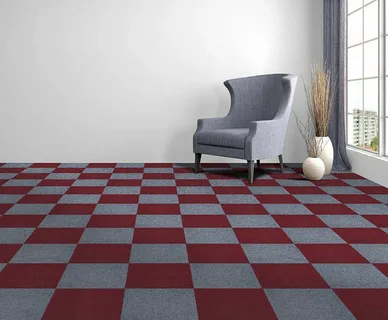
In the realm of interior design and home improvement, the quest for comfort and efficiency often leads homeowners and designers to explore various flooring options. Among these, carpet tiles have emerged as not only versatile and stylish but also surprisingly effective insulators. In this exploration, we delve into the insulating properties of carpet tiles, uncovering how they contribute to a cozy, energy-efficient environment.
Understanding Insulation
Before delving into the specifics of carpets tiles, it’s essential to grasp the concept of insulation and its significance in indoor environments. Insulation refers to the material’s ability to resist the flow of heat, thereby maintaining a consistent temperature within a space. In homes and buildings, effective insulation ensures comfort by minimizing heat loss during colder months and heat gain during warmer periods.
The Thermal Benefits of Carpet Tiles
Carpet tiles, known for their soft texture and design versatility, offer unique thermal benefits that set them apart from other flooring options:
Heat Retention
One of the most notable advantages of carpet tiles is their ability to retain heat. The dense fibers of carpet tiles trap warm air close to the floor, creating a thermal barrier that prevents heat from escaping through the subfloor. This retention of heat contributes to a warmer and more comfortable indoor environment, particularly in colder climates.
Energy Efficiency
By providing an additional layer of insulation, carpet tiles help reduce the workload on heating systems. Homes and buildings with carpeted floors often experience lower energy consumption as the heating systems operate more efficiently. This improved energy efficiency not only lowers utility bills but also reduces the carbon footprint associated with heating. See this: https://www.youtube.com/shorts/S15a8PeZg6E
Sound Absorption
Beyond thermal insulation, carpet tiles also excel in absorbing sound waves, thereby reducing noise transmission between floors. The dense fibers of carpet tiles dampen impact noise from footsteps and absorb airborne sound, creating a quieter and more peaceful environment. This acoustic insulation is particularly beneficial in multi-story buildings, apartments, and shared living spaces where noise control is essential.
Environmental Considerations
In addition to their thermal and acoustic properties, carpet tiles offer environmental advantages that align with sustainable building practices:
Recycled Materials
Many carpet tile manufacturers prioritize sustainability by incorporating recycled materials into their products. These materials may include recycled polyester (PET) fibers sourced from plastic bottles or reclaimed nylon from discarded carpets. By utilizing recycled content, carpet tile manufacturers reduce the demand for virgin materials and mitigate the environmental impact of carpet production. Read more: https://deeptechy.com/
Longevity and Durability
Unlike traditional broadloom carpets, carpet tiles are designed for modularity and ease of replacement. In high-traffic areas where wear and tear are inevitable, individual carpet tiles can be replaced without the need to remove the entire carpet. This modular design extends the lifespan of the flooring and reduces waste by minimizing the frequency of carpet replacements.
Practical Considerations and Maintenance
While carpet tiles offer numerous benefits, it’s essential to consider practical aspects and maintenance requirements:
Cleaning and Maintenance
Regular vacuuming and occasional steam cleaning are recommended to maintain the appearance and longevity of carpet tiles. Spills should be promptly addressed to prevent stains and odors from setting into the fibers. With proper care, carpet tiles can retain their aesthetic appeal and performance for years to come.
Moisture Management
In areas prone to moisture and humidity, such as basements and bathrooms, it’s important to choose carpet tiles with moisture-resistant backing or opt for alternative flooring solutions. Moisture accumulation can lead to mold and mildew growth, compromising indoor air quality and the structural integrity of the flooring.
Conclusion
In conclusion, the insulating properties of carpet tiles make them a compelling choice for homeowners and designers seeking comfort, energy efficiency, and environmental sustainability. From their ability to retain heat and absorb sound to their use of recycled materials and modular design, carpet tiles offer a holistic solution to flooring needs. By understanding the thermal benefits of carpet tiles and incorporating them into residential and commercial spaces, individuals can create environments that are not only aesthetically pleasing but also conducive to comfort and well-being.