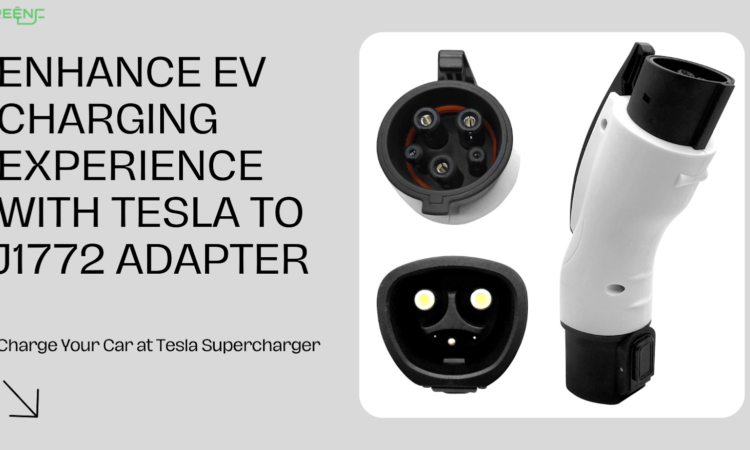
In the era of electric vehicles (EVs), the backbone of the sustainable transportation revolution lies in the hands of EV adapter manufacturers. As the demand for EVs surges globally, the significance of reliable and efficient charging solutions becomes increasingly apparent. EV adapter manufacturers, often working behind the scenes, play a pivotal role in shaping the landscape of electric mobility by providing the essential connectors that bridge the gap between electric vehicles and charging infrastructure.
The Evolution of Electric Mobility
The automotive industry is undergoing a profound transformation, with electric vehicles emerging as a key player in the pursuit of a cleaner and more sustainable future. Governments, corporations, and consumers are all contributing to the momentum toward electric mobility. This paradigm shift necessitates a robust charging infrastructure, and at the heart of this infrastructure are the adapters that enable seamless communication between electric vehicles and charging stations.
The Crucial Role of EV Adapters
EV adapters serve as the linchpin in the charging process, facilitating the connection between diverse electric vehicles and charging stations. These adapters are not one-size-fits-all; rather, they come in various shapes and sizes to accommodate the different charging standards and connector types adopted by various EV manufacturers. Without the innovation and adaptability of EV adapter manufacturers, the growth and integration of electric vehicles into mainstream transportation systems would face significant impediments.
Addressing Charging Standardization Challenges
One of the primary challenges facing the electric vehicle industry is the lack of standardisation in charging connectors and protocols. Each EV manufacturer tends to adopt its own set of standards, resulting in a fragmented charging landscape. EV adapter manufacturers play a pivotal role in overcoming this challenge by developing adapters that are compatible with various charging standards. This commitment to interoperability is a key factor in ensuring that EV owners have a seamless charging experience, regardless of the charging station they encounter.
Technological Innovations in EV Adapter Manufacturing
In the dynamic world of electric mobility, technological innovation is at the forefront of progress. EV adapter manufacturers are continually pushing the boundaries to develop adapters that not only meet current standards but also anticipate future advancements in electric vehicle technology. Smart adapters equipped with advanced communication capabilities, safety features, and rapid charging capabilities are becoming standard offerings in the market. These innovations contribute not only to the efficiency of charging but also to the overall user experience.
Customization for Diverse Charging Needs
Recognizing the diverse requirements of electric vehicle owners and charging station operators, EV adapter manufacturers offer a range of products tailored to different charging scenarios. Whether it’s a compact and portable adapter for residential use, a high-power adapter for commercial and industrial applications, or a fast-charging solution for urban environments, manufacturers are diversifying their product lines to meet the specific needs of a growing and varied user base.
Collaboration in Infrastructure Development
As governments and private entities invest in expanding the electric vehicle charging infrastructure, the collaboration between EV adapter manufacturers and other stakeholders becomes increasingly crucial. These manufacturers work closely with charging station developers, utilities, and regulatory bodies to ensure that their adapters align with evolving standards and specifications. This collaborative approach is essential for the seamless integration of electric vehicles into existing transportation networks.
Ensuring Safety and Reliability
Safety is paramount in the electric vehicle charging ecosystem, and EV adapter manufacturers are committed to adhering to stringent safety standards. Overcurrent protection, thermal management systems, and secure communication protocols are integrated into modern EV adapters to ensure the safety of both the vehicle and the charging infrastructure. This dedication to safety not only protects users but also builds trust in the reliability of electric mobility solutions.
Market Trends and Competitive Landscape
The growing demand for electric vehicles and the simultaneous expansion of the charging infrastructure have led to a competitive market for EV adapters. Established manufacturers and new entrants are vying for market share by offering innovative solutions, competitive pricing, and excellent customer support. The dynamic nature of the industry encourages manufacturers to stay ahead of the curve, driving continuous improvement in adapter technology.
Environmental Considerations and Sustainability Practices
As the electric vehicle industry places a significant emphasis on sustainability, EV adapter manufacturers are increasingly adopting eco-friendly practices in their production processes. Many are exploring the use of sustainable materials, optimizing manufacturing processes to reduce waste, and implementing recycling initiatives to minimize their environmental impact. This commitment to sustainability aligns with the broader goals of the electric mobility sector in promoting a greener and more environmentally friendly transportation ecosystem.
Challenges and Future Prospects
While the electric vehicle industry continues to gain momentum, challenges persist for EV adapter manufacturers. Standardisation efforts need to intensify, and global collaboration is essential to create a harmonised charging infrastructure. Additionally, as electric vehicles become more mainstream, the demand for faster and more efficient charging solutions will escalate, requiring ongoing innovation from adapter manufacturers.
In conclusion, the role of EV adapter manufacturers is instrumental in driving the widespread adoption of electric vehicles. Their ability to innovate, address standardisation challenges, and cater to the diverse needs of the market positions them as key players in the evolution of electric mobility. As technology advances and the electric vehicle landscape continues to mature, these manufacturers will remain essential contributors to a future where sustainable transportation is not just a goal but a global reality.