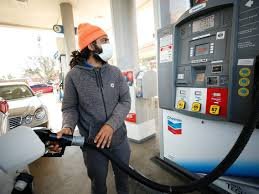
The global economy is a complex web of interconnected factors, and one of the most influential forces within this intricate system is the price of oil. Oil prices have a ripple effect that extends far beyond the pump, impacting economies, industries, and individuals worldwide. In this article, discusses how fluctuations in oil prices can send shockwaves through the global economic landscape.
Understanding the Basics
Before delving into the profound impacts of Oil Price Forecast, it’s essential to grasp the basics. Oil is the lifeblood of modern civilization, powering transportation, heating, and many industries. Its price is determined by a delicate balance of supply and demand, influenced by geopolitical events, production levels, and global economic trends.
The Gas Pump Dilemma
For the average consumer, the most noticeable effect of oil price fluctuations is at the gas pump. When oil prices surge, gas prices follow suit, putting a dent in household budgets. Conversely, drivers can sigh relief when oil prices dip as they pay less for fuel.
Higher oil prices increase production costs for many industries, from manufacturing to agriculture.
Transportation and Shipping
The transportation industry is acutely sensitive to oil price changes. Airlines, shipping companies, and trucking firms are heavily reliant on fuel. As oil prices rise, so do their operational costs, which can result in reduced profits and, in some cases, higher consumer prices.
Energy Sector
The energy sector, unsurprisingly, is deeply intertwined with oil prices. When oil prices surge, energy companies thrive as their products become more valuable. Conversely, during oil price slumps, these companies may face financial challenges and reduced exploration efforts.
Global Economic Impacts
Trade Balances
Its price profoundly impacts trade balances between nations. Conversely, oil-importing nations, like the United States and China, may experience trade deficits and increased dependency on foreign oil.
Economic Growth and Recession
Oil prices have historically played a role in shaping economic cycles. Sustained high oil prices can lead to economic slowdowns or recessions, as consumers and businesses grapple with increased costs. Conversely, lower oil prices can stimulate economic growth by reducing consumer and corporation expenses.
Geopolitical Factors
Oil and Political Stability
The production and distribution of oil are often entangled with geopolitical tensions. Disruptions in oil supply due to conflicts or political instability in major oil-producing regions can lead to price spikes and economic uncertainty on a global scale.
The oil industry faces challenges as the world shifts towards renewable energy sources. Oil-dependent nations must adapt to a changing energy landscape, which can lead to economic and political shifts.
Climate Change and Sustainability
Beyond the economic factors, oil prices are intimately connected to environmental concerns. Burning fossil fuels, including oil, is a primary call to reduce dependence on oil and transition to cleaner, more sustainable energy sources. This shift can have far-reaching implications for the oil industry and, consequently, the global economy.
Renewable Energy Investments
As nations invest in renewable energy technologies like wind, solar, and hydroelectric power, there is a potential for job creation and economic growth in these sectors. These investments can also reduce a country’s reliance on oil imports, bolstering its energy security.
OPEC’s Role in Oil Prices
The Organization of the Petroleum Exporting Countries (OPEC) is a powerful player in the oil market. Comprising some of the world’s largest oil-producing nations, OPEC wields significant influence over oil prices through production quotas and export policies. Decisions made by OPEC member countries can send shockwaves through the global oil market, affecting prices and, subsequently, the world economy.
Geopolitical considerations often influence OPEC’s actions. The organization’s decisions can be used for diplomacy and power projection, leading to further complexity in the intricate relationship between oil prices and global politics.
Innovation in Extraction
Advancements in oil extraction technologies, such as hydraulic fracturing (fracking) and deep-sea drilling, can impact oil prices. These innovations can increase oil supply, potentially leading to lower prices. However, they also raise environmental concerns and may disrupt traditional oil-producing regions.
Electric Vehicles and Transportation
The rise of electric vehicles (EVs) presents challenges and opportunities for the oil industry. As EV adoption grows, the demand for traditional gasoline may decrease, affecting oil prices. Conversely, producing and distributing electricity to power EVs can create economic opportunities in the renewable energy sector.
The Future of Oil Prices
It depends on many factors, including global economic conditions, technological advancements, geopolitical stability, and environmental concerns. Governments, businesses, and individuals must remain vigilant and adaptable in this ever-evolving landscape.
How to Start Trading Gold
If you’re interested in venturing into gold trading, VSTAR is an excellent platform. Trading gold can be profitable and exciting, but it’s essential to do so with a well-thought-out strategy.
Fund Your Account
Before starting trading, you must fund your VSTAR.com account with enough capital. It’s advisable to start with a small amount if you are learning new gold trading tips. As you gain experience and confidence, you can gradually increase your investment.
Conclusion
In conclusion, the ripple effect of oil prices is undeniable. Oil prices are a powerful force shaping the global economy, from the gas pump to global trade, from inflation rates to political stability. Understanding these intricate connections is crucial for governments, businesses, and individuals navigating the ever-changing economic landscape.