
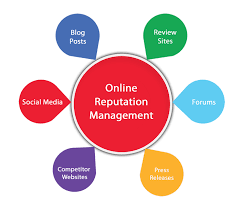
In today’s digital age, a small business’s online reputation can make or break its success. With the vast array of information available on the internet, potential customers often rely on reviews, ratings, and online presence to make decisions. This article delves into the essential strategies that small businesses must adopt to manage their online reputation effectively.
1. Understanding Online Reputation Management
Online Reputation Management (ORM) is the practice of controlling and influencing how your brand is perceived on the internet. It involves monitoring and addressing online mentions, reviews, and comments to ensure a positive image.
2. Why Online Reputation Matters for Small Businesses
Your online reputation directly impacts customer trust and purchasing decisions. Positive online reviews can significantly boost sales, while negative ones can deter potential customers.
3. Monitoring Your Online Presence
Regularly monitor social media platforms, review websites, and search engine results to stay updated on what people are saying about your business.
4. Creating High-Quality Content
Publishing informative, engaging, and relevant content on your website and social media platforms helps establish your authority and credibility.
5. Leveraging Social Media
Use social media channels to connect with your audience, share updates, and address customer concerns promptly.
6. Handling Negative Reviews
Respond to negative reviews professionally and constructively. Address issues and show a willingness to resolve problems.
7. Encouraging Positive Reviews
Request satisfied customers to leave positive reviews. Make it easy for them by providing direct links and clear instructions.
8. Building Trust Through Transparency
Be transparent about your business practices, pricing, and customer service policies. Honest businesses are more likely to earn trust.
9. Engaging with Customers
Interact with your customers on social media, respond to comments and messages, and create a sense of community around your brand.
10. Responding to Criticism Gracefully
Avoid getting defensive when facing criticism. Instead, listen to the concerns, acknowledge them, and work on solutions.
11. Utilizing Online Reputation Management Tools
Invest in ORM tools that help automate monitoring, track keywords, and provide insights into your online reputation.
12. Staying Consistent
Consistency in your online presence and messaging helps build a strong and recognizable brand image.
13. Online Reputation Management and SEO
A positive online reputation can improve your search engine rankings, making it easier for potential customers to find you.
14. Measuring Your Online Reputation
Use key performance indicators (KPIs) to measure your online reputation’s success. Monitor changes in reviews, ratings, and customer sentiment.
15. Conclusion
In conclusion, small businesses cannot afford to ignore online reputation management. A positive online image can lead to increased trust, more customers, and ultimately, business growth. By following the strategies outlined in this article, you can take control of your online reputation and ensure a prosperous future for your small business.


