Since ancient times, tiles have been used to decorate surfaces and design practical, beautiful homes. Ensuring that tiles stay firmly in place is crucial for remodeling a business space, kitchen, or bathroom. This is where the idea of a “tile bond” is helpful. In this article, we’ll explore the world of tile bonds, the function of tile bond chemicals, and the critical function of tile bonding agents.
Understanding Tile Bond
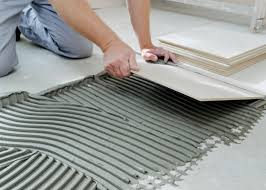
A tile bond is the adhesive or bonding substance used to adhere tiles to a surface. The unobservable force keeps those lovely ceramic, porcelain, or natural stone tiles in place, resulting in attractive and practical settings. Your tiled surfaces’ lifetime, as well as their beauty and functionality, are all impacted by the tile bond you choose.
Types of Tile Bonding Agents:
Traditional tile glue made of cement, sand, and polymers is cement-based adhesive. It is frequently used for more oversized tiles and is perfect for locations with less moisture exposure.
- Cement, fine sand, and chemicals that improve its bonding qualities are combined to create thick mortar. It is well-suited for internal and exterior uses and especially well-liked for floor tiles.
- Tile Adhesive: Epoxy tile adhesives are more robust and durable. They are frequently employed in business settings and places where there will be much traffic. Epoxy bonding is resistant to moisture, substances, and changes in temperature.
- Mastic glue: It is a ready-to-use glue. We can also say that it is pre-mixed. It is simple and great for backsplashes and other minor tile projects. However, it is not advised for high-moisture environments.
The Role of Tile Bond Chemicals

The chemical components that create tile bonding in adhesive formulations significantly impact their efficacy. These substances are essential for ensuring the tiles stick firmly to the surface and keep their integrity over time.
Essential Tile Bond Chemicals:
- Polymers: Polymers help tile bonding be more flexible and sticky. They increase the bond’s resilience to pressure, impact, and the effects of the environment.
- Modifiers are added to adhesives to increase bonding power, workability, and open time. Additionally, they can increase the adhesive’s resilience to chemicals and water.
- Fillers: Fillers regulate the adhesive’s consistency and thickness. They support the adhesive’s capacity to fill gaps and provide a consistent bond.
- Retarders and Accelerators: These substances regulate how quickly an adhesive dries. Accelerators hasten curing, especially in cooler temperatures, whereas retarders delay it so that modifications have more time to be made.
Importance of Proper Bonding Agents for Tiles
Your tile installation project’s success depends on selecting the appropriate tile bonding agent. Tiles that pop off, fractures, and a reduced look might result from a poor adhesive. Proper bonding agents provide the following advantages:
- Longevity: Even in high-traffic areas, tiles stay in place for years because of a strong connection.
- Water Resistance: Water penetration is prevented by effective adhesives, which is crucial in moist environments like bathrooms and kitchens.
- Flexibility: Adhesive flexibility helps to accept the normal expansion and contraction of various materials, lowering the possibility of fractures.
- A strong connection helps create a smooth, seamless look without distracting gaps or uneven tiles, which adds to its aesthetic appeal.
Many different adhesive alternatives and chemical components exist in the intricate realm of tile bindings and bonding agents. Understanding these ideas will enable you to make wise decisions that produce lovely, durable tiled surfaces, whether working on a DIY job or employing experts. Remember that the perfect adhesive and appropriate installation methods may turn your area into a masterpiece of style and use.
Understanding the science of securely adhering tiles is crucial for successful interior and exterior projects. In Pakistan, professionals and DIY enthusiasts alike must also consider the tile bond price in Pakistan, as it plays a significant role in the overall project cost. Striking the right balance between adhesive quality and affordability ensures durable and visually appealing tiled surfaces.