
Introduction
Solar energy has emerged as a crucial player in the global transition towards sustainable energy sources. Solar panels are at the forefront of this transformation, providing clean and renewable power to homes, businesses, and communities. In recent years, innovative advancements in solar technology have led to the development of flexible, foldable, and glass solar panels, which promise to revolutionise the way we harness the sun’s energy. In this article, we will delve into the world of solar panels, examining how these cutting-edge technologies work and how solar panel kits can make solar energy more accessible than ever before.
- Flexible Solar Panels: Bending Towards a Brighter Future
Flexible solar panels are a game-changer in the world of solar energy. Unlike traditional rigid panels, these flexible counterparts are designed to conform to various surfaces, making them ideal for unconventional applications. Their lightweight and pliable nature enable them to be used in ways that were previously impossible.
- How Do Flexible Solar Panels Work?
Flexible solar panels are typically constructed using thin-film photovoltaic cells. These cells are made from materials such as amorphous silicon, cadmium telluride, or organic polymers. Unlike the crystalline silicon cells used in traditional panels, thin-film cells are much thinner and can be mounted on flexible substrates like plastic or metal sheets.
The key advantage of flexible solar panels is their adaptability. They can be installed on curved surfaces, such as the roofs of vehicles, boats, or even clothing. This versatility opens up new possibilities for harnessing solar energy in unconventional ways, such as integrating solar cells into camping gear or wearable technology.
- Applications of Flexible Solar Panels
- Solar-Powered Vehicles: Flexible solar panels have found their way onto the roofs of electric and hybrid vehicles, providing an additional source of power to extend their range. This integration reduces greenhouse gas emissions and lowers fuel costs.
- Portable Chargers: Flexible solar panels are integrated into portable chargers, allowing users to harness solar energy to charge their devices on the go. These chargers are particularly popular among outdoor enthusiasts.
- Building-Integrated Photovoltaics (BIPV): BIPV systems incorporate flexible solar panels into building materials like roofing, siding, and windows. This seamless integration of solar energy into the architecture of a building is aesthetically pleasing and energy-efficient.
- Foldable Solar Panels: On-the-Go Energy Generation
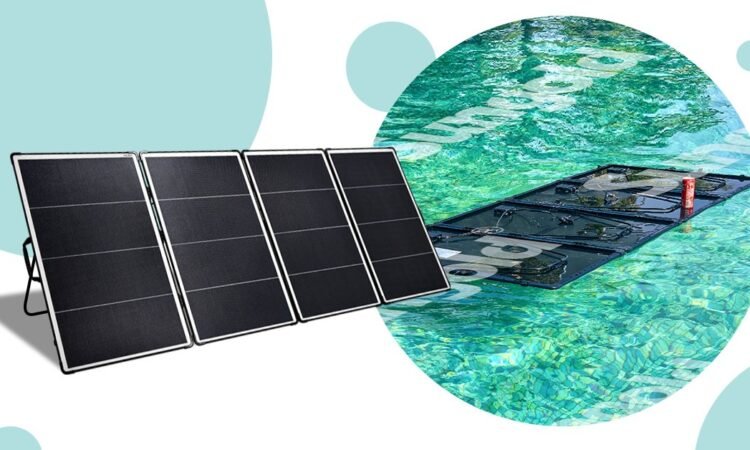
Foldable solar panels take portability to the next level. Designed with mobility in mind, these panels can be folded and transported easily, making them ideal for camping, hiking, and emergency power generation.
- How Do Foldable Solar Panels Work?
Foldable solar panels function similarly to traditional solar panels, using photovoltaic cells to convert sunlight into electricity. What sets them apart is their portability and ease of setup. These panels are equipped with hinges or creases that allow them to be folded into compact, suitcase-like forms for transportation.
- Applications of Foldable Solar Panels
- Camping and Hiking: Foldable solar panels are popular among outdoor enthusiasts. They can charge portable power banks during the day, providing a reliable source of energy for lighting, cooking, and charging devices at night.
- Emergency Preparedness: In times of power outages or natural disasters, foldable solar panels can provide a lifeline for charging essential devices like phones and radios.
- Remote Off-Grid Living: Individuals living off the grid in remote locations can rely on foldable solar panels to generate electricity for their homes, cabins, or RVs.
- Solar Panel Kits: Making Solar Energy Accessible
While flexible and foldable solar panels offer innovative solutions for specific applications, solar panel kits aim to make solar energy accessible to a wider audience. These kits provide a comprehensive package that includes all the components needed for a solar installation, simplifying the process for homeowners and businesses alike.
- Components of a Solar Panel Kit
A typical solar panel kit includes:
- Solar Panels: Ranging from traditional rigid panels to flexible or foldable ones, depending on the kit’s purpose.
- Inverter: Converts the direct current (DC) generated by the panels into usable alternating current (AC) for household appliances.
- Mounting Hardware: Brackets and racks for securing the panels to rooftops or other structures.
- Wiring and Connectors: Cables, junction boxes, and connectors to link the panels to the inverter and electrical system.
- Charge Controller (for off-grid systems): Regulates the flow of electricity from the panels to prevent overcharging of batteries.
- Batteries (for off-grid systems): Store excess energy generated during the day for use at night or during cloudy days.
- Advantages of Solar Panel Kits
- Cost Savings: Solar panel kits are often more cost-effective than purchasing individual components separately, as they are bundled together at a discounted price.
- Convenience: Kits come with detailed instructions, making installation more accessible for homeowners with basic DIY skills.
- Customization: Kits can be tailored to specific needs, whether for grid-tied, off-grid, or hybrid systems and can include different types of solar panels.
- Glass Solar Panels: The Future of Efficiency and Aesthetics
Glass solar panels represent a cutting-edge advancement in solar technology. While they share many features with traditional crystalline silicon panels, they offer unique advantages in terms of efficiency and aesthetics.
- Efficiency of Glass Solar Panels
Glass solar panels are constructed using a glass-glass design, which improves their efficiency by reducing energy losses. Unlike traditional panels with a plastic back sheet, these panels have glass on both sides, enhancing durability and longevity.
- Aesthetics and Architectural Integration
One of the standout features of glass solar panels is their sleek and transparent appearance. They can be seamlessly integrated into building designs as windows, skylights, or building facades, allowing natural light to pass through while generating electricity. This architectural integration makes them particularly attractive for commercial and residential applications.
Conclusion
Solar energy continues to evolve, and flexible, foldable, and glass solar panels are at the forefront of this evolution. These innovative technologies offer new possibilities for harnessing the sun’s power in ways that were previously unimaginable. Additionally, solar panel kits make solar energy more accessible and convenient for homeowners and businesses, further driving the transition towards a sustainable and renewable energy future. As we move forward, it’s clear that solar energy, in all its forms, will play a vital role in reducing our reliance on fossil fuels and mitigating the effects of climate change.


