
Unveiling the Equation: Exploring the Factors Influencing the Cost of CNC Machining Services
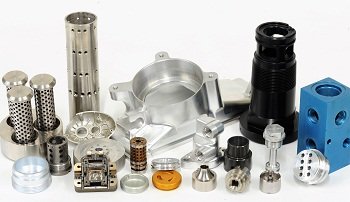
In the world of precision manufacturing, CNC machining services stand as the backbone of modern industry. From aerospace components to medical devices, CNC milling service play a pivotal role in shaping the future of innovation. However, with precision comes a consideration of costs. Delving into the intricacies of CNC machining, this article aims to demystify the factors that impact the cost of CNC machining services, particularly in the context of CNC machining parts manufacturers in China.
Decoding the Cost of Precision:
CNC machining services are revered for their ability to craft complex and accurate components, but the question of cost often arises. Understanding the factors that contribute to the cost equation helps demystify the economics of precision manufacturing.
1. Material Selection:
Materials are the foundation of any component. The type of material used, its availability, and its specific properties significantly impact the cost. Exotic materials or those with unique characteristics may command a higher price due to their scarcity or processing requirements.
2. Material Waste:
Precision manufacturing aims to minimize material waste, but the complexity of a component’s geometry can affect how efficiently raw materials are utilized. Intricate designs may result in more material waste, driving up the overall cost of the CNC machining process.
3. Component Complexity:
Complex geometries demand advanced machinery and specialized tooling to achieve precision. The intricacy of the design directly impacts the time, labor, and resources required to produce the component, influencing the overall cost.
4. Tolerances and Specifications:
Tight tolerances and specific design requirements necessitate meticulous attention to detail during the machining process. Meeting these stringent specifications often requires additional tool changes, setups, and fine-tuning, which can increase the cost.
5. Batch Size:
Economies of scale come into play with batch size. Larger production runs often lead to reduced costs per unit due to optimized setups and efficient machining processes. Conversely, small production runs or prototypes may be costlier on a per-unit basis.
6. Machine Time and Labor:
The time it takes to machine a component directly affects the cost. Complex geometries, intricate details, and multi-axis machining all require more machine time and skilled labor, contributing to higher costs.
7. Tooling and Setup:
Custom tooling and specialized fixtures are essential for precision manufacturing. The cost of designing, producing, and implementing these tools adds to the overall expenses.
8. Finishing and Surface Treatment:
Many components require finishing touches, such as polishing, anodizing, or coating. The choice of finishing method, as well as its complexity, impacts the final cost of the component.
9. Machine Capability and Technology:
Different CNC machines offer varying levels of precision, speed, and capability. High-tech machines equipped with advanced features may command higher costs due to their enhanced capabilities.
10. Location and Labor Costs:
The geographical location of the CNC machining parts manufacturer in china influences labor costs, overhead expenses, and regulatory requirements. Manufacturing in regions with lower labor costs may result in cost savings.
China’s Role in Cost-Efficient CNC Machining:
CNC machining parts manufacturers in China have emerged as leaders in providing cost-effective precision manufacturing solutions. The combination of advanced technology, skilled labor force, and competitive pricing has positioned China as a hub for high-quality CNC machining services.
Conclusion:
Precision in manufacturing is a dance of intricate factors, and cost is a prominent partner in this choreography. Understanding the nuances that impact the cost of CNC machining services empowers industries to make informed decisions about their manufacturing processes. From material selection to labor costs, each element plays a role in shaping the economic landscape of precision manufacturing. As CNC machining parts manufacturers in China continue to redefine the standards of precision and quality, the synergy of innovation and cost efficiency becomes a hallmark of the industry, ensuring that precision manufacturing remains accessible and transformative across diverse sectors.


