
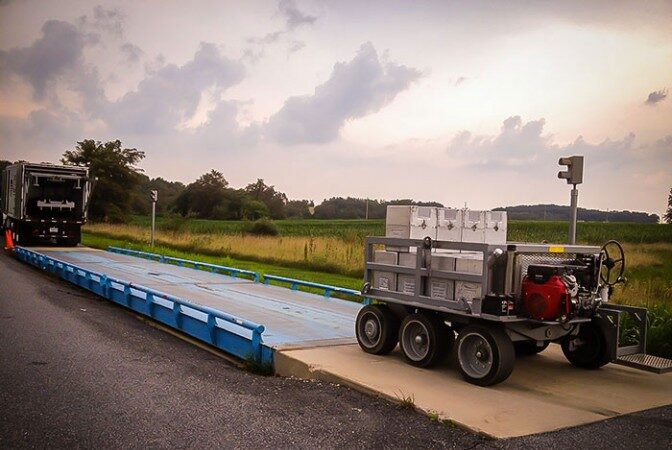
Accurate and precise weighing is essential in various industries to ensure product quality, regulatory compliance, and efficient operations. Regular calibration of scales is crucial to maintain their accuracy and reliability. However, improper calibration practices can lead to measurement errors, inconsistent results, and potential compliance issues. Industrial Scale Co. Inc, a trusted provider of weighing solutions, understands the importance of proper calibration techniques. In this article, we will highlight common mistakes to avoid when calibrating your scales to ensure accurate and reliable weighing results.
Neglecting Regular Calibration
One of the most common mistakes is neglecting regular calibration. Some businesses assume that their scales will remain accurate indefinitely or postpone calibration until a problem arises. However, factors such as environmental changes, wear and tear, and usage over time can affect a scale’s accuracy. Regular calibration, based on the manufacturer’s recommendations or industry standards, is essential to maintain accuracy and compliance. By scheduling routine calibration, businesses can detect and correct any deviations early, ensuring consistent and reliable weighing results.
Inadequate Environmental Control
Environmental factors can significantly impact the accuracy of scales. Temperature fluctuations, humidity levels, air currents, and vibrations can all affect weighing results. Failing to control the environment during calibration can introduce errors and lead to inaccurate measurements. It is important to calibrate scales in a stable and controlled environment that meets the manufacturer’s specifications. Ideally, a dedicated calibration room or area with controlled temperature and humidity levels should be used to minimize environmental interference during the calibration process.
Using Improper Calibration Weights
Using incorrect or inadequate calibration weights is a common mistake that can lead to inaccurate results. Calibration weights should have a known and traceable accuracy, and they should be suitable for the scale being calibrated. It is crucial to use calibrated weights that are compatible with the scale’s capacity and resolution. Using weights that are not calibrated or have a higher accuracy than required can introduce errors and compromise the calibration process. Proper selection and verification of calibration weights are essential for accurate and reliable calibration.
Improper Handling of Calibration Weights
Even with the correct calibration weights, improper handling can affect the accuracy of the calibration process. Rough handling, dropping, or mishandling weights can result in deformation, damage, or changes in their mass, leading to inaccurate measurements. It is important to handle calibration weights with care, avoiding any impact or force that could alter their accuracy. Regular verification and calibration of the weights themselves are necessary to ensure their continued accuracy.
Ignoring Calibration Procedure Guidelines
Every scale has a specific calibration procedure outlined by the manufacturer. Ignoring or deviating from these guidelines is a common mistake that can compromise the accuracy of the calibration process. It is important to thoroughly read and understand the calibration procedure provided in the scale’s manual. Following the recommended steps, including proper warm-up time, zeroing, and adjustment procedures, ensures that the scale is calibrated correctly. Deviating from the recommended procedure or skipping crucial steps can lead to inaccurate calibration and subsequent weighing errors.
Inadequate Training and Knowledge
Proper calibration requires technical knowledge and expertise. Insufficient training or lack of understanding of the calibration process can lead to errors and inaccurate results. It is essential to provide proper training to individuals responsible for calibration or engage the services of professionals from reputable weighing solution providers. Knowledgeable personnel can ensure that the calibration process is conducted accurately, adhering to industry best practices and standards.
Failure to Document Calibration Records
Maintaining accurate calibration records is essential for quality control, regulatory compliance, and traceability. Failing to document calibration results, dates, and procedures can lead to confusion, loss of historical data, and potential compliance issues. Proper record-keeping ensures that calibration intervals are adhered to, and any deviations or adjustments are documented for future reference. Calibration records should include information such as the date of calibration, technician’s name, calibration procedure, results, and any corrective actions taken. This documentation provides a clear audit trail and serves as evidence of compliance with quality standards and regulatory requirements.
Neglecting Post-Calibration Verification
After calibration, it is important to perform post-calibration verification to ensure the accuracy of the weighing results. Neglecting this step can lead to false confidence in the calibration process and potentially result in continued use of inaccurate scales. Post-calibration verification involves weighing known masses to confirm that the scale provides accurate measurements within the specified tolerance. By regularly verifying the accuracy of Scale Calibration Houston, businesses can maintain confidence in their weighing results and identify any issues that may arise.
Conclusion
Proper calibration is essential for accurate and reliable weighing results. Avoiding common mistakes such as neglecting regular calibration, inadequate environmental control, using improper calibration weights, mishandling weights, ignoring calibration procedure guidelines, inadequate training, failure to document calibration records, and neglecting post-calibration verification is crucial for maintaining accuracy and compliance. Industrial Scale Co. Inc understands the importance of proper calibration techniques and can provide guidance, expertise, and quality weighing solutions to ensure accurate and reliable weighing in various industries. By avoiding these common mistakes and following best practices, businesses can optimize their weighing processes, enhance product quality, and ensure efficient and compliant operations.


