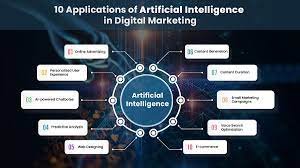
AI, or artificial intelligence, has revolutionized digital marketing by providing businesses with new ways to analyze and leverage consumer data. One of the key uses of AI in digital marketing is in customer segmentation and targeting. With AI algorithms, businesses can analyze vast amounts of data to identify specific customer segments based on their demographics, behaviors, interests, and preferences. This enables marketers to deliver personalized content and offers that are more relevant and appealing to each segment, increasing the chances of conversion.
Uses of AI In Digital Marketing
Personalized Advertising
One of the key applications of AI in digital marketing is personalized advertising. With AI algorithms, businesses can collect and analyze vast amounts of customer data to create targeted advertisements tailored to individual preferences and behaviors. By understanding consumer needs and delivering relevant content, personalized advertising helps businesses increase engagement and conversion rates.
AI-powered personalization goes beyond simply displaying ads to specific demographics or segments. Instead, it takes into account individual browsing history, purchase patterns, social media interactions, and other data points to deliver highly customized ad experiences. For example, an e-commerce website may use AI algorithms to recommend products based on a user’s previous purchases or browsing history, increasing the likelihood of a sale.
Moreover, AI enables real-time personalization by continuously adapting advertisements based on user responses and feedback. By analyzing user behavior in real-time, AI algorithms can optimize targeting strategies and make instant adjustments to maximize the effectiveness of advertising campaigns. This level of personalization not only improves customer satisfaction but also enhances brand perception by showing that businesses are attentive to their customers’ needs and preferences.
Content Generation
Content generation is a crucial aspect of digital marketing, and with the advancements in artificial intelligence (AI), it has become even more efficient and effective. AI tools like Marketing Blocks are being used to automate content creation processes, allowing marketers to generate high-quality and engaging content at scale. These tools can analyze data from various sources, such as social media trends, customer behavior, and market insights, to generate personalized content tailored to the target audience.
One of the key benefits of using AI in content generation is its ability to save time and resources for marketers. By automating the process of creating blog posts, articles, social media captions, and other types of content, marketers can focus on other important tasks like strategy development or analyzing campaign performance. AI-powered tools also help maintain consistency across different channels by adhering to brand guidelines and tone of voice.
Moreover, AI algorithms can optimize content based on user preferences and engagement patterns. This enables marketers to deliver highly relevant and personalized content that resonates with their audience. By leveraging AI in content generation, businesses can improve their digital marketing efforts by providing valuable information to customers while also increasing brand visibility and driving conversions.
AI-generated content for websites and social media.
AI-generated content for websites and social media has emerged as a powerful tool in the realm of digital marketing. This technology utilizes algorithms and machine learning to create high-quality, relevant, and engaging content without human intervention. AI can generate blog posts, articles, product descriptions, social media captions, and even entire websites with minimal effort.
One of the key benefits of AI-generated content is its ability to save time and resources for businesses. With the help of AI tools, companies can automate their content creation process by generating large volumes of content in a short span of time. This enables them to consistently update their websites and social media platforms with fresh and interesting material.
Moreover, AI-generated content is highly customizable to suit specific target audiences. By analyzing user data such as browsing patterns, preferences, and demographics, AI algorithms can generate personalized content that resonates with individual users on a deeper level. This level of personalization enhances user experience by providing relevant information tailored to their interests and needs.
In conclusion, AI-generated content has revolutionized digital marketing by enabling businesses to produce large quantities of customized material quickly and efficiently. As this technology continues to advance, it holds great potential for enhancing user engagement on websites and social media platforms while saving valuable time and resources for marketers.
Customer Service
In the realm of digital marketing, the use of AI in customer service has revolutionized the way businesses interact with their customers. AI-powered chatbots and virtual assistants are now being employed to provide instant support and personalized assistance to consumers. These intelligent systems are able to understand natural language and respond accordingly, making them an invaluable tool for enhancing customer satisfaction. Whether it’s answering frequently asked questions or resolving complaints, AI allows businesses to provide round-the-clock support without the need for human intervention.
Moreover, AI can also be utilized in analyzing customer data to gain valuable insights into consumer behavior and preferences. By examining patterns and trends, businesses can tailor their marketing strategies to better meet the needs of their target audience. AI algorithms can quickly process large amounts of data, allowing marketers to make informed decisions based on accurate predictions. This not only saves time but also helps optimize resources by directing efforts towards campaigns that are more likely to yield positive results.
In conclusion, AI is transforming customer service within digital marketing by providing efficient and personalized solutions for consumers while aiding businesses in understanding their customers on a deeper level. With advancements in technology continually improving these systems, we can expect even greater integration of AI in customer service strategies moving forward.
Chatbots and virtual assistants for improved support.
Chatbots and virtual assistants have revolutionized the way businesses provide customer support. With their automated responses and ability to handle multiple inquiries simultaneously, chatbots offer improved support to customers by providing instant solutions to their queries. These AI-powered tools are available 24/7, ensuring that customers receive assistance even outside business hours, resulting in enhanced customer satisfaction.
Moreover, chatbots and virtual assistants can collect valuable data from customer interactions, enabling businesses to gain insights into customer preferences and behavior patterns. This data can then be used to deliver personalized experiences and targeted marketing campaigns. By analyzing the conversations between customers and chatbots, businesses can identify common issues or concerns faced by their target audience and take proactive measures to address them effectively.
Furthermore, with advancements in natural language processing (NLP) technology, chatbots are becoming more sophisticated in understanding human language nuances. Virtual assistants equipped with NLP capabilities can comprehend context-specific queries better and provide more accurate responses. This not only enhances the overall user experience but also saves time for both customers and businesses by resolving issues promptly without the need for human intervention.
In conclusion, chatbots and virtual assistants are invaluable tools for improving customer support in digital marketing. Their ability to provide real-time assistance round-the-clock coupled with their data collection capabilities make them indispensable assets for modern businesses looking to enhance customer satisfaction while gaining valuable insights for strategic decision-making.
Conclusion
In conclusion, the future of AI in digital marketing is undoubtedly promising. With the rapid advancements in technology, AI has become an integral part of the digital marketing landscape. It has revolutionized various aspects of marketing, including customer segmentation, personalized advertising, and predictive analysis.
AI-powered tools and systems have made it easier for marketers to identify their target audience and create customized campaigns that resonate with them. By leveraging machine learning algorithms, marketers can analyze vast amounts of data to gain valuable insights into consumer behavior and preferences. This enables them to deliver personalized content and offers that are more likely to convert leads into customers.
You May Also Like: AI Side Hustle Ideas for Passive Income