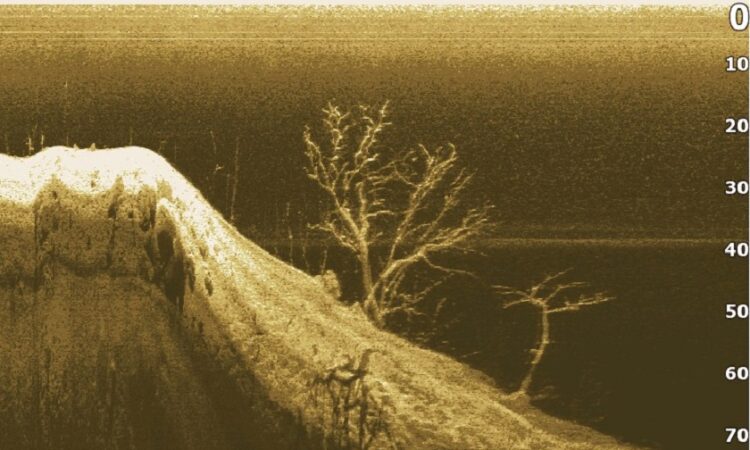
For almost every angler, finding and catching fish is the ultimate goal. Sonar technology can greatly assist in this pursuit by providing valuable information about what lies beneath the water’s surface.
One feature that has become increasingly popular among fishermen is side imaging, which allows for a wider view of an area and improves the chance of locating schools of fish. However, with numerous brands and models on the market, it can be difficult to determine which sonar has the best side imaging capability.
Therefore, it is important to consider the features and capabilities of each option before making a decision. In this blog post, we will take a closer look at some of the features and aspects that contribute to a sonar’s effectiveness in side imaging, as well as which specific sonars have proven to excel in this area. So, without any further ado, let’s dive in.
Factors Impacting the Side Imaging in Sonars
The angle of the Solar Beam
One important aspect to consider is the angle of the sonar beam. Sonars with a wider angle will provide better coverage and more detailed images of the sides of the boat. However, it is important to note that too wide of an angle can result in a loss of detail and resolution. The recommended angle for side imaging ranges from 60-90 degrees, with 80 degrees being the sweet spot.
Beam Width
Another aspect to consider is the beam width, or how wide each sonar pulse is as it travels through the water. Wider beams result in more coverage but may sacrifice some resolution. It is important to find a balance between coverage and resolution in order to get the best side imaging results.
Resolution
Resolution refers to the amount of detail that can be seen on the sonar screen. Higher resolution means clearer and more detailed images. When it comes to side imaging, the resolution is crucial in order to accurately locate and identify fish, structures, and other objects.
Sonar Frequency
The frequency of the sonar pulse also plays a role in side imaging capability. Higher frequencies provide better resolution but do not travel as far as lower frequencies. Therefore, it is important to consider the type of fishing you plan to do and choose a sonar frequency accordingly.If you don’t know much about fish finders or you’re a bit newer to this technology, I’ll recommend following FishFindersJudge to enhance your knowledge about fish finders and their basics.
How to Best Utilize Side Imaging
Now that we have a better understanding of the factors that impact side imaging, let’s talk about how to best utilize this feature.
- One tip is to use side imaging when approaching new areas or unfamiliar bodies of water. Scanning the sides as you move can allow for early detection of potential fishing spots such as sunken structures or weed beds.
- Another helpful tip is to use side imaging in conjunction with down imaging. This allows for a comprehensive view of the area, providing information on both what lies directly beneath the boat as well as to the sides.
- One last tip is to pay attention to sonar returns that are slightly off to the side of the boat. This could indicate suspended fish or other underwater structures that may be worth exploring further.
Buying Guide for Best Side Imaging Sonars
Now that we have a better understanding of the factors that contribute to a sonar’s effectiveness in side imaging, let’s discuss how you can choose the best device for your needs.
Consider the Frequency
As mentioned above, the frequency of the sonar pulse can impact both resolution and depth capability. For shallow waters and smaller targets such as bass or pinfish, a higher frequency of around 455 or 800 kHz is recommended. For deeper waters and larger targets such as salmon or lake trout, a lower frequency of around 50 kHz is recommended.
Always consider the type of fishing you plan to do and choose a sonar frequency accordingly.
Consider the Cone Angle
As discussed earlier, the angle of the sonar beam can impact side imaging capability. Aim for an angle between 60-90 degrees, with 80 degrees being the sweet spot.
Consider the Beam Width
The wider the beam width, the more coverage you will have but it may sacrifice some resolution. It is important to find a balance between coverage and resolution in order to get the best side imaging results.
Don’t Sacrifice Resolution
Resolution is crucial in side imaging in order to accurately locate and identify fish, structures, and other underwater objects. Don’t sacrifice resolution for coverage or a wider cone angle.
Check Reviews and Compare Products
Before making a purchase, be sure to do your research and compare products. Read reviews from other fishermen and see what they have to say about the sonar’s side imaging capability. Comparing the products can also help in making a more informed decision so that you don’t end up with the wrong device.
FAQs (Frequently Asked Questions) Side Imaging of Sonar or Fish Finder
Q: Can I use side imaging in shallow water?
A: Yes, side imaging can be used in both shallow and deep waters. However, it is important to consider the sonar frequency as higher frequencies may not reach as far in deeper waters.
Q: How do I interpret the returns on my side of the imaging sonar?
A: Side imaging returns can give you information about the objects and structures that exist on the sides of your boat, including fish and sunken structures. You may see various shapes or clusters of returns in different colors to indicate these objects. It is important to keep track of your location as you scan so that you can properly interpret the returns.
Q: Is it okay to use side imaging in murky or muddy water?
A: Yes, side imaging can be used in waters with reduced visibility. However, it is important to take other factors into consideration as well, such as the sonar frequency and cone angle of the beam. Some frequencies may not penetrate very far in murkier waters, so you may need to adjust the settings on your sonar to get the best results.
The Bottom Line
Whether you are a beginner or an experienced angler, side imaging sonars can help you locate and identify fish and underwater structures with greater accuracy. To choose the best side imaging sonar for your needs, consider the frequency, cone angle, beam width, and other factors such as resolution and review ratings.
Ultimately, it is important to do your research and compare different products to find the best side imaging sonar for your needs. We hope that this information has been helpful in your search for the perfect side imaging sonar!