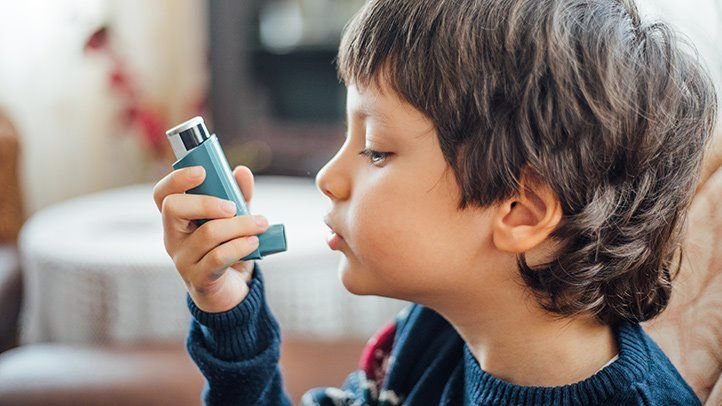
Asthma is a chronic condition in which the airways become swollen, causing difficulty in breathing. It is a common condition that affects children and can interfere with their quality of life.
With treatment, the condition can be managed well, allowing your child to live just like other children.
If your child has asthma, you should consult a child specialist. You can consult a Pediatrician in Lahore.
What Happens In Asthma?
The exact cause of asthma is unknown. However, it is believed that the airways become hypersensitive to certain stimuli (triggers). These triggers start an immune-mediated response which causes the airway to swell up and causes difficulty in breathing.
Asthma triggers can be substances like tobacco smoke, dust, pollution, pests, moulds, pollens, etc. People who have asthma are more hypersensitive to these triggers than those who don’t have the disease. A person without asthma may remain fine when exposed to these triggers, while a person with asthma can get an asthma attack.
Symptoms Of Asthma
You may notice the following signs and symptoms in your child:
Cough
Cough is a common symptom of childhood asthma, which often exacerbates viral respiratory tract infections. Often the cough occurs when the child is sleeping or after exposure to cold air or exercising.
Shortness Of Breath
Your child may show shortness of breath on mild to moderate exertion. The breathlessness may also be at rest if the asthma is severe. They may also complain of chest tightness.
Wheeze
Wheeze is a whistling sound heard when a person exhales air. If the asthma is severe, you may be able to listen to the whistling sound as your child breathes, or a doctor may detect it by using a stethoscope.
Diagnosis Of Childhood Asthma
Making the diagnosis of asthma can be difficult. Your child’s doctor may diagnose it by the following:
Medical History
Your child’s doctor will take a thorough history of the symptoms and the factors that trigger the symptoms. It will help guide if the symptoms are due to asthma or other conditions.
Physical Examination
Your child’s doctor may listen to the child’s chest with a stethoscope to detect wheeze or any other abnormality.
Blood Tests
Your doctor may suggest blood tests to check for an increased count of inflammatory cells.
Allergy tests
If the doctor suspects some allergens to trigger asthma attacks, they may order allergy tests to rule out allergies.
Chest X-ray
A chest X-ray gives a view of the chest, and the doctor can look for any abnormalities in the lungs. If the doctor suspects some disease other than asthma, they may order a chest X-ray.
Spirometry
Spirometry measures how well and how quickly your child can exhale air. It can help diagnose asthma and distinguish it from other suspected conditions. Your child will have to do spirometry at rest and after physical exercise.
The diagnosis of asthma can be tricky, especially in children under five years. Children under five years can not perform spirometry, and the doctor may rely on the history of the symptoms alone to make a diagnosis.
Treatment
The treatment of asthma in children may consist of inhalers and medications. The doctor prescribes inhalers to open up the airways, making breathing easier. The medications are given to suppress the underlying hypersensitive immune response that triggers asthma. The combinations and doses of these medications depend upon the severity of the disease. The doctor will adjust them according to the requirements of the child.
Conclusion
Childhood asthma can affect the quality of your child’s life, which may worry you. However, with treatment, asthma can be managed.
If your child has asthma, you should consult a child specialist. You can consult Dr. Ibrahim Yusuf.
Read also about : animixplay